sign up for special reductions on ear wax removal

How Is Tinnitus Assessed?
Learn how tinnitus is assessed, including hearing tests, medical history and specialist evaluations to understand symptoms and causes.
Vanessa Weeks
12/23/20253 min read
How Is Tinnitus Assessed?
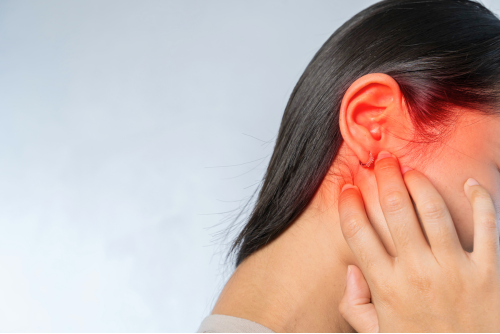
Tinnitus is a condition many people experience at some point in life, yet it can feel worrying when you first notice tinnitus. You may hear sound when no external sound is present, such as ringing, buzzing, or humming. Understanding how is tinnitus assessed is often the first step toward clarity and reassurance.
Tinnitus occurs for many reasons and affects people differently. Some experience temporary tinnitus after loud noise exposure, while others live with persistent tinnitus that affects sleep, focus, and quality of life. A proper assessment helps identify the underlying cause and guides the right tinnitus management plan.
At Hear Pure, tinnitus assessment is handled carefully, with time taken to understand your symptoms, hearing, and overall health.
Initial Evaluation and Medical History
The assessment begins with an initial evaluation where we discuss your medical history in detail. This includes when tinnitus occurs, whether it is in one or both ears, and if it started suddenly or developed over time. We also ask if tinnitus feels worse at certain times of day or during stress.
We explore risk factors such as loud sounds, head injury, high blood pressure, sudden hearing loss, or exposure to loud noise over time. Questions also cover hearing difficulties, difficulty sleeping, mental health, and whether you experience tinnitus noises constantly or occasionally.
Understanding your medical history helps identify possible causes of tinnitus and highlights whether further specialist assessment or non urgent referral is needed.
Types of Tinnitus Identified During Assessment
During assessment, we identify whether tinnitus is subjective tinnitus or objective tinnitus. Subjective tinnitus is the most common type and is only heard by the person experiencing it. Objective tinnitus is rare and may be linked to muscle contractions or blood flow issues.
Pulsatile tinnitus is assessed separately. This type often follows the rhythm of your heartbeat and may relate to the cardiovascular system or blood flow changes. Non pulsatile tinnitus tends to be constant and is more often linked to the inner ear or auditory pathway.
We also check for unilateral tinnitus, which affects one ear, as well as tinnitus affects on hearing loss and tinnitus combined.
Hearing Tests and Clinical Examination
A full hearing test is central to tinnitus assessment. Hearing tests measure how well you hear sound across different pitches and volumes, even if you believe you have normal hearing. Many people with tinnitus also have hearing loss, even when symptoms feel mild.
Clinical examination includes checks of the outer ear, middle ear, and inner ear. We assess for earwax buildup, earwax removal needs, and signs of underlying pathology. Acoustic reflex testing may be used in specific cases.
In some situations, imaging tests are advised to rule out rare conditions affecting the nervous system, such as multiple sclerosis or meniere's disease.
Questionnaires and Symptom Assessment
We use a tinnitus questionnaire to understand how tinnitus symptoms affect your daily life. This looks at concentration, listening comfort, emotional wellbeing, and how tinnitus affects sleep and work.
We also review associated signs, other symptoms, neurological symptoms, and whether tinnitus produces sound that feels rhythmic or steady. These details help shape an accurate picture of your experience tinnitus pattern.
This structured process ensures no important details are missed.
Treatment Options After Assessment
Once assessment is complete, we discuss treating tinnitus options clearly. Hearing aids are often recommended when hearing loss and tinnitus are linked, as they improve listening and reduce background noise contrast.
Sound therapy uses gentle external sound to reduce awareness of tinnitus sound. Tinnitus retraining therapy combines sound therapy with education to help the brain respond differently to tinnitus.
Cognitive behavioural therapy and talking therapy support mental health and stress management. We do not recommend herbal remedies due to limited clinical evidence. Guidance aligns with the British Tinnitus Association and National Institute for Health and Care Excellence.
Ongoing Tinnitus Management and Support
Tinnitus management is an ongoing process. Some people experience chronic tinnitus, while others improve steadily with the right support. Our role is to provide clear advice, professional care, and reassurance throughout.
At Hear Pure, we focus on long term support that fits your lifestyle and hearing needs. With the right assessment and treatment, many patients regain confidence and control.
If you notice tinnitus or feel it is getting worse, booking a hearing test is a positive first step. Our clinics are here to help.
Address
1A Hoole Rd, Chester CH2 3NQ
1 Milner Road, Heswall, CH60 5RT