sign up for special reductions on ear wax removal

How to Reduce Tinnitus
Struggling with tinnitus? Learn what causes ringing in the ears, what makes it worse, and proven ways to reduce symptoms today.
1/22/20262 min read


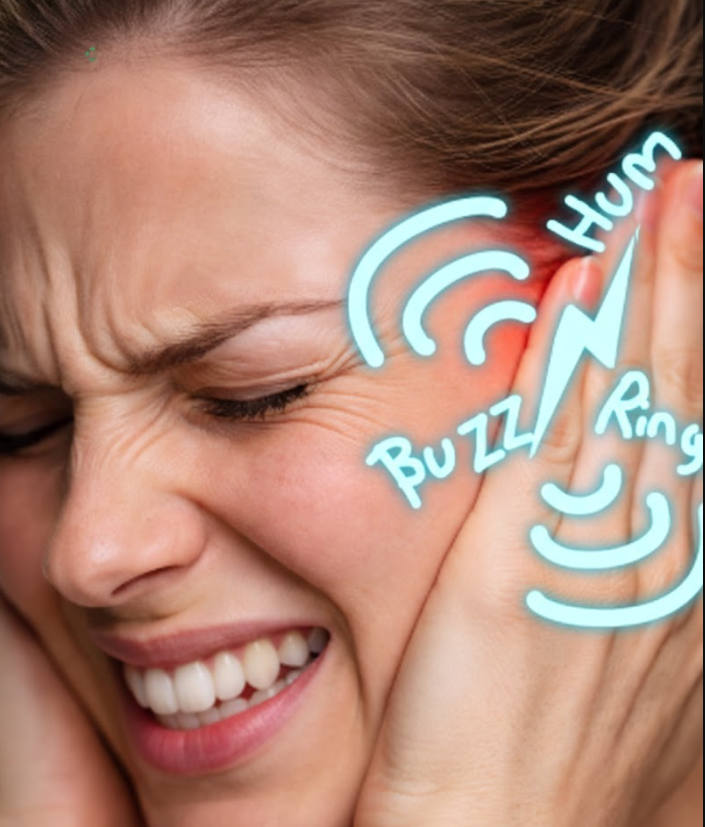
Tinnitus is a common condition that affects millions of people and is often described as ringing, buzzing, hissing, or humming in the ears. If you’re experiencing it, you may be wondering how to reduce tinnitus or whether it will ever go away. While tinnitus can’t always be cured, it can usually be managed effectively, helping to reduce its impact on daily life.
In this guide, we’ll explain what tinnitus is, what can make it worse, and the most effective ways to reduce symptoms using evidence-based approaches.
What Is Tinnitus?
Tinnitus isn’t a condition itself, but a symptom of an underlying issue within the hearing system. It occurs when the brain starts to compensate for changes in auditory input, often due to hearing loss or irritation in the ear. Tinnitus can be constant or intermittent. It can be mild or intrusive. It can also be heard in one ear or both.
What Causes of Tinnitus?
Tinnitus is often linked to one or more of the following:
Hearing loss
Exposure to loud noise
Earwax build-up
Ear infections
Stress or anxiety
Certain medications
In many cases, tinnitus develops gradually, which is why it can sometimes go unnoticed until it becomes more persistent.
Certain factors can increase the intensity or awareness of tinnitus, especially during quiet moments. Common triggers can include things like; stress, fatigue, caffeine, alcohol, silence or excessive loud environments.
Proven Ways to Reduce Tinnitus
Address Underlying Hearing Loss
Hearing loss is one of the most common contributors to tinnitus. Improving hearing input can reduce the brain’s need to “fill in the gaps” with internal noise.
Hearing aids can:
Amplify external sounds
Reduce tinnitus awareness
Improve speech clarity
Lower listening effort
Many modern hearing aids also include tinnitus management features.
Sound Therapy
Introducing low-level background sound can help distract the brain from tinnitus, especially in quiet environments.
Examples include:
Soft music
White noise
Nature sounds
Tinnitus sound generators
This doesn’t eliminate tinnitus, but it can make it far less noticeable.
Manage Stress and Anxiety
Stress doesn’t cause tinnitus, but it can significantly worsen symptoms. Learning to manage stress often reduces how intrusive tinnitus feels.
Helpful approaches include:
Relaxation techniques
Mindfulness or breathing exercises
Gentle physical activity
Better sleep routines
Reducing stress can break the cycle where tinnitus causes anxiety, which then amplifies tinnitus.
When Should You Seek Professional Advice?
Take a moment to think about your own experience.
Has your tinnitus become persistent or started to worsen over time?
Are you finding that it interferes with your sleep, focus, or ability to concentrate during the day?
You might also notice that tinnitus has appeared alongside changes in your hearing, or that the sound seems to come from just one ear rather than both.
If any of these situations sound familiar, it may be time to seek professional advice. A hearing assessment can help identify what is contributing to your tinnitus and whether it is linked to hearing loss, ear health, or another underlying factor. This allows for tailored management options rather than guesswork.
If you would like support, you can contact Hear Pure to book an assessment or adjustment. Simply fill out our online form or give us a call on 01244 311142 (Chester) or 0151 342 6325 (Heswall), and a member of the team will be happy to help.
Final Thoughts
While tinnitus isn’t always preventable or curable, it is very manageable. By addressing hearing changes, managing stress, and using sound strategies, many people find their tinnitus becomes far less intrusive over time.
If tinnitus is affecting your quality of life, a professional hearing assessment can help you understand what’s happening and guide you towards effective, long-term relief


Address
1A Hoole Rd, Chester CH2 3NQ
1 Milner Road, Heswall, CH60 5RT